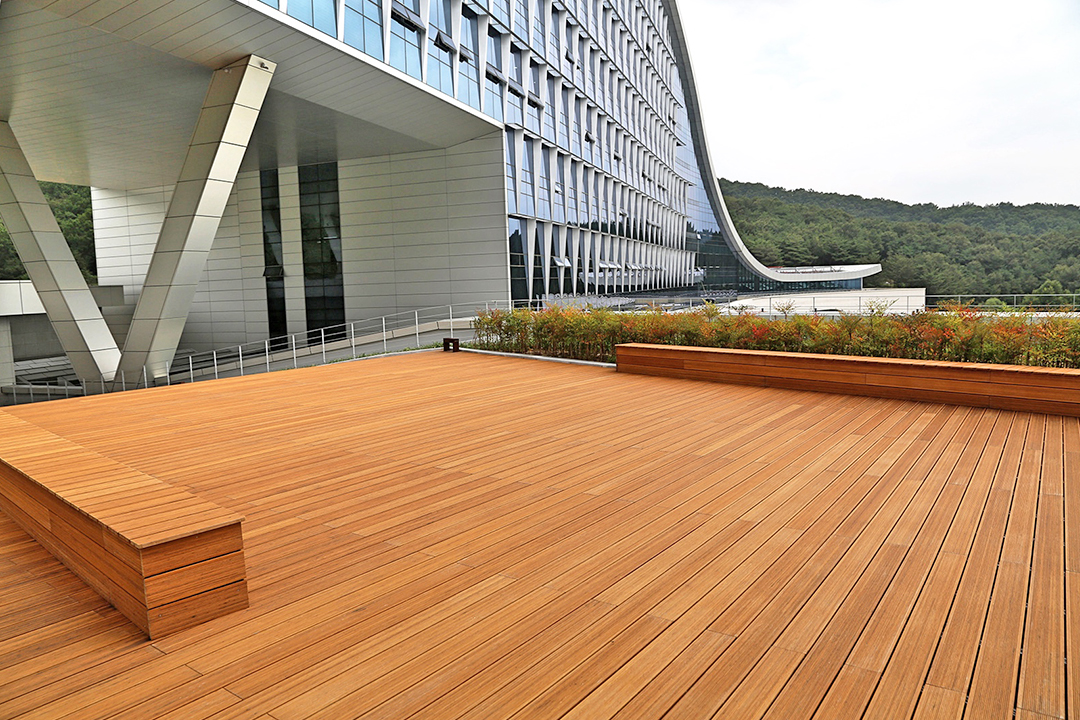
bamboo flooring
|
Links: |
 |
Building with bamboo has moved from niche curiosity to a practical option for homeowners, architects, and builders seeking strength, affordability, and environmental resilience. While bamboo structures have been used for centuries in parts of Asia, Africa, and South America, recent engineering advances and better preservation techniques have made bamboo a viable building material for a wider range of climates and architectural styles. One of the most appealing aspects is its potential to lower overall construction and maintenance expenses. Understanding how bamboo performs economicallyboth upfront and long-termhelps clarify whether it is a smart choice for your next building project. Why Bamboo Is Considered Cost-Effective The cost-effectiveness of bamboo does not come from just one factor. Instead, it is the result of how bamboo grows, how it performs structurally, and how it reacts to environmental conditions. When compared with conventional building materials like concrete, steel, or hardwood, bamboo often requires fewer resources, less processing, and surprisingly little maintenance when treated correctly. Rapid Growth and Abundant Supply One of bamboos defining qualities is its growth rate. Many species reach maturity within three to five years, far faster than softwoods and hardwoods that may require decades. This rapid growth means more usable material can be harvested in a shorter time, keeping costs relatively stable and reducing the pressure placed on natural forests. Because it regenerates from the same root system without replanting, bamboo requires fewer inputs like fertilizers or irrigation. These biological advantages translate into lower material prices in many regions. Lower Processing Requirements Compared with materials that require heavy industrial processing, bamboo needs minimal transformation to become a structural element. Simple curing, treatment, and shaping can prepare bamboo poles for construction. Engineered bamboo flooring productssuch as laminated beams and panelsundergo more processing, but still require less energy than steel or concrete production. This reduction in energy and machinery use contributes to a more affordable supply chain and fewer environmental externalities. Strength, Durability, and Structural Performance Cost-effectiveness is not limited to low upfront expenses. A material must also perform well over time to remain economically viable. Bamboos natural characteristics allow it to compete with conventional structural materials in surprising ways. High Strength-to-Weight Ratio Bamboos fiber structure gives it a strength-to-weight ratio comparable to steel and significantly higher than most timber species. Because it is lightweight, transportation and assembly tend to be more cost-efficient. Labor costs can also decrease, especially in areas where teams are familiar with bamboo construction techniques. For seismic regions, bamboos natural flexibility provides added value by reducing structural damage during earthquakes. Modern Treatment Improves Longevity Traditional bamboo structures were sometimes vulnerable to insects or rot, but modern treatment methodssuch as boron soaking, smoke curing, or heat treatmentgreatly improve durability. Engineered bamboo products are also highly stable, moisture-resistant, and uniform in quality. With proper treatment and design, bamboo homes can last several decades or more. Long-term stability reduces the need for major repairs, lowering the overall lifecycle cost of the building. Upfront Costs: What to Expect Many people assume bamboo homes are always cheaper to build. In reality, upfront costs depend on several factors, including labor expertise, material availability, local building codes, and the type of bamboo components used. Materials and Local Availability Locations where bamboo is grown or frequently used in construction often benefit from lower material prices and a skilled labor pool. In regions where bamboo is imported or less familiar to builders, costs can rise due to transportation expenses and specialized labor. Even with these variations, bamboo often remains competitive with timber-frame construction and can be significantly cheaper than steel or concrete systems, depending on the design. Labor and Expertise A major factor influencing upfront costs is whether builders have experience working with bamboo. Specialized knowledge is required to join, treat, and assemble bamboo structures properly. Inexperienced labor may lead to higher costs or compromised structural performance. As bamboo construction becomes more common and training programs expand, labor expenses continue to stabilize. Design Considerations Simple bamboo homes designed with traditional pole-and-frame construction tend to be cost-effective. More elaborate designs, especially those using engineered bamboo beams, custom joinery, or hybrid materials, may raise upfront spending. Even so, these structures often remain competitively priced when compared with conventional architectural projects of similar complexity. Maintenance and Operating Costs The long-term savings associated with bamboo homes are a key part of their cost-effectiveness. When constructed and maintained correctly, bamboo homes can require minimal upkeep. Resistance to Environmental Stress Bamboos natural flexibility allows it to perform well in windy or seismic environments, reducing the likelihood of costly structural repairs. Treated bamboo is also resistant to pests and moisture, which helps maintain structural integrity over time. Although periodic inspections and minor treatments may be necessary, these tasks are generally less expensive than major repairs associated with concrete or timber structures in harsh climates. Thermal Performance Bamboo has excellent natural insulation properties. Walls, panels, and bamboo-based composites can help keep indoor spaces cooler in warm weather and warmer in cooler seasons. Reducing energy consumption for heating and cooling can lead to noticeable savings over the lifespan of the home. When paired with thoughtful architectural designssuch as strategic shading, proper ventilation, and efficient window placementbamboo homes can achieve impressive energy performance with minimal additional investment. Environmental and Social Benefits with Economic Impact Although the primary focus is cost, bamboos environmental and social attributes contribute to its broader economic value. Low Environmental Footprint Because bamboo grows quickly and requires little processing, its environmental footprint is relatively low. Reducing the impact on forests and minimizing greenhouse gas emissions are important considerations for many homeowners and developers. In regions offering green building incentives, bamboo structures may qualify for tax benefits, grants, or certifications that make them even more economically appealing. Support for Local Economies In many parts of the world, bamboo cultivation and construction support local communities by providing steady and sustainable employment. Choosing bamboo can help stimulate regional economies, especially in rural areas where bamboo is abundant. This local focus lowers transportation costs, encourages craftsmanship, and strengthens supply chains. Risks and Limitations to Consider While bamboo offers many advantages, it is not a perfect solution for every situation. Understanding its limitations allows for informed planning and budgeting. Quality Control Challenges Not all bamboo is harvested, treated, or processed with the same level of care. Poorly treated bamboo can deteriorate quickly, undermining structural integrity and causing unexpected expenses. Working with certified suppliers, experienced builders, and reputable manufacturers is essential. Building Code Constraints Some regions lack clear building codes or engineering guidelines for bamboo structures. This can |