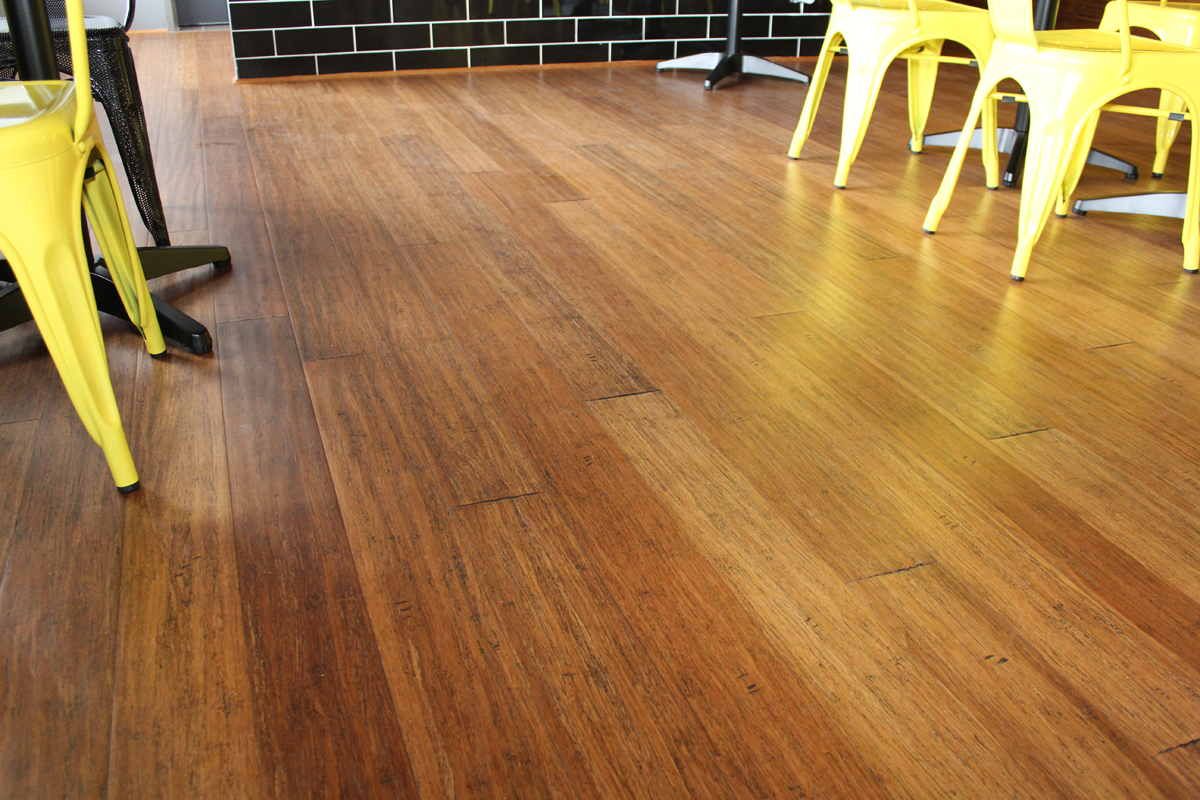
bamboo flooring
|
Links: |
 |
Across design studios, home‑goods brands, and apparel labels, a quiet shift has been unfolding: bamboo has become one of the most widely discussed renewable materials among product designers and environmentally minded consumers. Its reputation is not based on hype alone. Conversations around responsible production have highlighted bamboo as a practical, scalable, and scientifically interesting option for reducing pressure on conventional resources. As more people explore the origins of the products they bring into their homes, bamboos appeal continues to grow. At its core, bamboo is a grassfast‑growing, resilient, and naturally regenerative. Unlike hardwood trees that can require decades to reach maturity, many bamboo species reach full height in a single growing season and can be harvested within three to five years. Once cut, the plant continues to regenerate from its root system without the need for replanting. This regenerative quality is one of the reasons bamboo has earned a reputation for being a low‑impact raw material. Growth Speed and Soil Health One of the strongest arguments for bamboos sustainability is the speed at which it grows. Some species can grow more than a meter within a single day, depending on climate and soil conditions. Rapid growth means that suppliers can harvest more frequently without diminishing soil productivity or requiring heavy irrigation. Bamboo also grows well on degraded land where other crops might struggle, helping anchor soil, reduce erosion, and contribute to nutrient cycling. Because its root structure remains intact after harvesting, bamboo fields can act as long‑term carbon sinks. The rhizomes help store carbon in the soil while the new stalks continue to absorb carbon dioxide as they grow. These characteristics make bamboo an appealing option for regions working to restore land while establishing economic opportunities for farmers. Water Requirements and Chemical Inputs Compared with conventional textile crops such as cotton, bamboo generally requires less water. Its ability to thrive in various conditions allows for reduced reliance on irrigation systems, especially in humid or subtropical areas where rainfall is sufficient. Furthermore, many bamboo plantations operate with minimal pesticide use thanks to the plants natural resistance to pests and diseases. While no crop is entirely immune to environmental pressures, bamboos resilience often results in fewer chemical inputs, improving local ecological conditions and reducing pollution risks. From Raw Material to Finished Products Consumers often associate bamboo with visually appealing household items: cutting boards, utensils, toothbrushes, flooring, or tableware. These items highlight bamboos durability, lightweight nature, and elegant grain patterns. However, bamboos potential extends far beyond kitchen accessories. Engineers and material scientists continue to explore bamboo composites, structural components, and textiles that combine practicality with sustainability. Hard Goods and Construction In its natural form, bamboo is extremely strong relative to its weight. Traditional building cultures across Asia and parts of South America have long relied on it for scaffolding, housing frameworks, and bridges. Engineers continue to experiment with ways to formalize bamboos structural advantages through standardized treatments and engineered bamboo flooring. Modern manufacturing processes allow bamboo fibers to be compressed and laminated into boards that rival hardwood in strength. Flooring made from these boards tends to be durable, visually consistent, and resistant to warping. For architects and builders, bamboos rapid replenishment cycle provides an appealing alternative to slow‑growing timber species. Textiles and Clothing Bamboo has also made its way into the fashion and textile industries. The path from stalk to fabric varies widely and is a critical part of the sustainability conversation. Mechanically processed bamboosometimes referred to as bamboo linenis produced by crushing the stalks and combing out the fibers. This method requires considerable labor but avoids chemical treatments. The resulting fabric resembles flax or hemp with a textured, breathable feel. Another method involves chemically converting bamboo cellulose into a soft, silky fiber often labeled as bamboo viscose or rayon. While this process can produce comfortable, drapey fabrics, it requires careful management to ensure chemicals are recycled rather than released into the environment. Responsible manufacturers have adopted closed‑loop systems that recapture most solvents, reducing pollution and improving worker safety. Clear labeling and transparency continue to help consumers distinguish between different production methods. Bamboo in Everyday Living Part of bamboos appeal lies in its versatility. A single source material can appear in dozens of places throughout a home, allowing consumers to make incremental shifts toward more sustainable choices without sacrificing convenience or aesthetics. Kitchenware and Household Tools Items such as chopping boards, bowls, and serving trays benefit from bamboos density and smooth finish. When properly maintained, these goods withstand years of daily use. Many consumers also appreciate that bamboo holds up well against repeated washing and resists absorbing strong odors. Its lightweight nature makes storage and handling easier, especially for families seeking durable, natural materials. Personal Care and Hygiene Bamboo toothbrushes, hairbrushes, safety razor handles, and cotton‑swab alternatives have become familiar items in many households. The popularity of these goods stems from straightforward design, low environmental impact, and the rising interest in reducing single‑use plastics. While the bristles on most toothbrushes still rely on synthetic materials for hygiene reasons, the handles can be composted or recycled in many communities. Textiles for the Home Sheets, towels, blankets, and sleepwear made with bamboo fibers are valued for their softness and breathability. Consumers often describe bamboo fabrics as cool to the touch, making them appealing in warm climates or for individuals who prefer lightweight bedding. Their moisture‑wicking properties contribute to comfort, and the fabrics smoothness can be gentle on sensitive skin. Economic and Social Dimensions The benefits of bamboo extend beyond environmental considerations. Many rural communities rely on bamboo cultivation and processing for income. Because bamboo grows densely and rapidly, small areas of land can support meaningful yields. This can create opportunities for smallholder farmers to diversify their income streams. Local processing facilitieswhether for crafting, weaving, or manufacturingcan strengthen regional economies and encourage skill development. International demand has encouraged more organized supply chains, and certification programs are becoming increasingly common. These programs assess land stewardship, worker welfare, and manufacturing practices. As brands incorporate bamboo into product lines, many seek partnerships that support responsible sourcing and provide greater visibility into where and how the material is cultivated. Challenges and Responsible Use While bamboo offers many advantages, it is not without challenges. Demand has grown quickly, and in some regions the expansion of bamboo plantations has raised questions about land conversion. Replacing natural ecosystems with monoculture plantations can disrupt biodiversity. Thoughtful planning and adherence to sustainable guidelines help ensure bamboo cultivation supports local ecosystems rather than replacing them. |