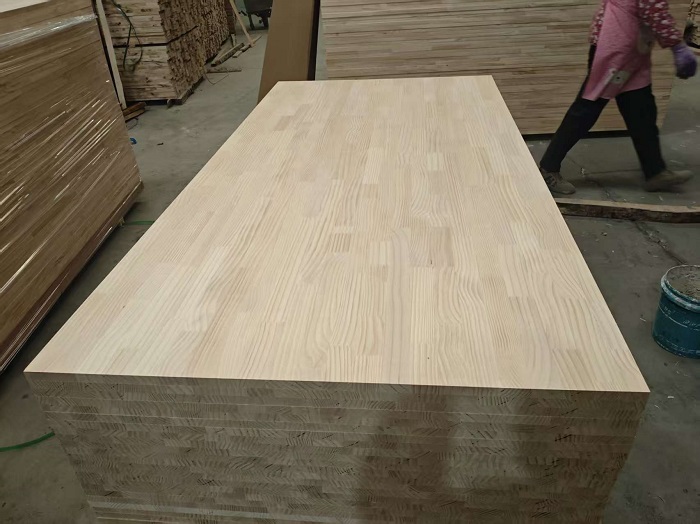
Finger joint pine plywood
|
Links: |
 |
Finger joint pine plywood has earned a steady place in woodworking, interior design, and light construction thanks to its stability, consistent appearance, and efficient use of raw materials. Because its engineered by joining short pieces of pine with interlocking fingers, the resulting panels are both resource‑efficient and dimensionally reliable. Yet despite its straightforward makeup, one detail often shapes the success of a project far more than people expect: selecting the correct grade. Grades determine appearance, structural integrity, allowable defects, surface quality, and whether the panel is suited for paint, clear finishes, or purely structural use. Picking the right one brings smoother finishing, stronger performance, and fewer headaches during installation. Selecting the wrong one can mean extra sanding, unexpected blemishes, or even premature wear. Below is an in‑depth look at the grades commonly available, how they differ, and how to match each one to the demands of your work. Along the way, youll find practical notes on sizing, moisture behavior, and finishing so your final choice fits naturally with how the material will actually be used. Understanding How Finger Joint Pine Plywood Is Graded While standards vary slightly across regions and manufacturers, finger joint pine plywood typically follows a grading system similar to that used for many softwood plywoods. The two faces are graded separately, with the better surface listed first. Grades generally fall into A, B, C, and D categories. These grades arent simply cosmetic labels. They reflect the amount of patching, knots, sanding, and surface preparation the panel has undergone. With finger joint pine, the core is usually consistent, so what you pay for is largely the appearance and finish quality of the faces. A few terms to keep in mind: A-grade face: Smooth, clean, defect-free, paint-ready. B-grade face: Minor, neatly repaired imperfections; good for paint. C-grade face: Knots and noticeable patches; functional but not decorative. D-grade face: Larger defects and minimal repairs; often for hidden or structural uses. Because finger joint pine is sought for clean, modern lines, the most common grades in this category tend to be A/A, A/B, B/C, and C/C. A/A Grade: When You Need the Cleanest Possible Finish A/A grade is the premium level available for most finger joint pine panels. Both faces are smooth, uniformly sanded, and free of open knots. The joints are neat, color-consistent, and designed for a finish that highlights precision and cleanliness. Woodworkers and designers choose A/A grade when the panel will be exposed from every angle. Its especially useful in projects where the panel becomes part of the visual character of the space: Built-in shelving High-end cabinetry Painted wall panels Custom furniture components Ceiling treatments with continuous visual lines Pine tends to absorb finish unevenly if the surface isn't prepared well. A/A grade minimizes that challenge, giving the surface a predictable feel under primer and topcoat. Many builders appreciate how it reduces prep time, especially where long lengths of paneling need a consistent look. One note worth remembering: even with an A-grade surface, pine can show grain telegraphing under paint. A sealing primer designed for softwood helps maintain the crisp appearance many designers want. A/B Grade: Ideal for Visible Use With One Primary Show Face A/B grade gives you one flawless A-grade face and one slightly more utility-oriented B grade on the back. The B face may have small, tight, repaired knots or subtle color variation, though it remains smooth enough for paint. This combination suits a wide variety of projects: Cabinet carcasses with one exposed side Closet shelving Window seats or custom built-ins Painted furniture where only one face is prominently visible A/B is both economical and practical. You get the clean front surface required for aesthetics while keeping the budget reasonable. Installers often choose it for wall or ceiling paneling when the back will never be visible after installation. While the B face is paintable, its not intended for clear coats or stain. If you plan on leaving the wood grain exposed anywhere, shift to A/A. |