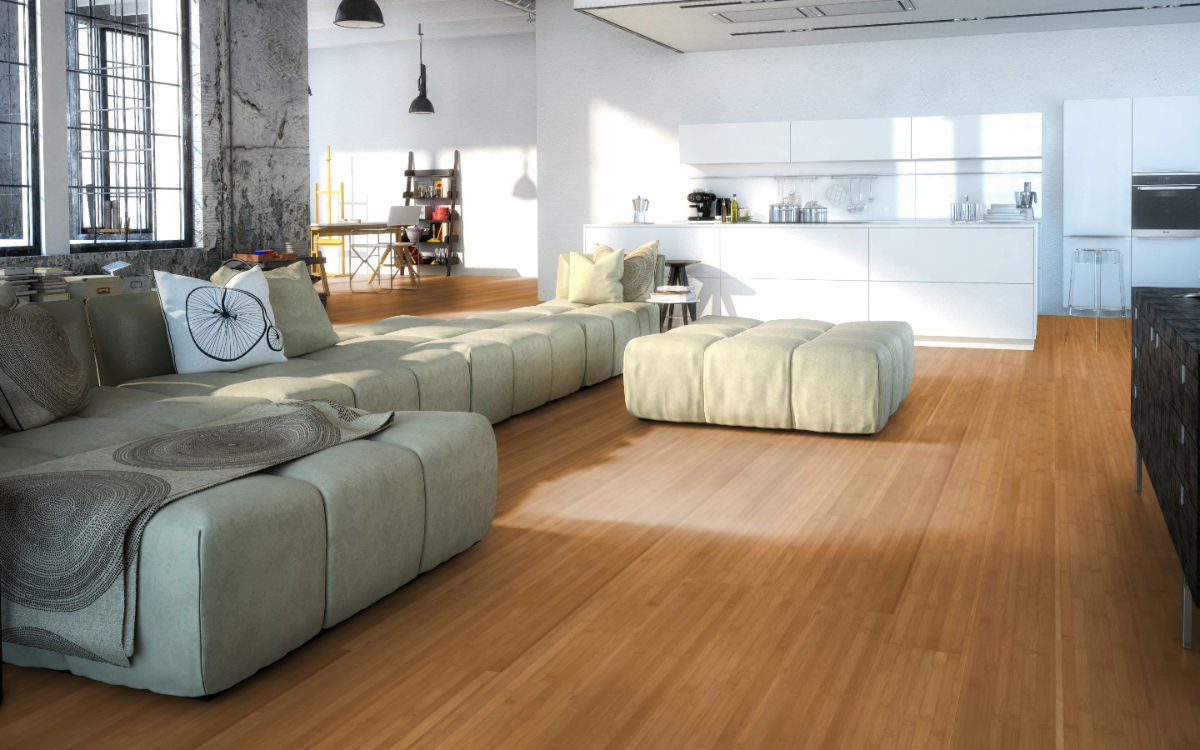
bamboo flooring
|
Links: |
 |
Hospitality spaces rely on materials that can stand up to constant use, frequent cleaning, and the aesthetic expectations of guests who notice every detail. A restaurant table, café counter, or hotel lounge surface works far harder than most furnishings in a home, which is why the industry has always taken materials seriously. Over recent years, bamboo tabletops have gained notable traction in hospitality settings, appreciated not just for their appearance but for their reliability and practical advantages. They offer an appealing blend of strength, design versatility, and affordability, making them an increasingly common choice for establishments that want attractive, long-lasting surfaces without stretching their budgets. As more designers revisit natural materials to soften commercial interiors and add a sense of warmth, bamboo has emerged as a standout option. Its fine grain, clean tonal range, and smooth texture pair well with a wide range of decor stylesfrom modern cafés and boutique hotels to casual dining rooms and collaborative workspaces. But its beauty alone doesnt explain its rise in hospitality environments; its the combination of performance and economics that has turned bamboo from a niche material into a practical solution many businesses rely on. Durability That Handles Commercial Demands Bamboos strength makes it exceptionally well suited for high-traffic environments. While it appears lightweight and refined, bamboo is surprisingly dense when properly laminated and engineered. This toughness allows it to withstand everyday wear, even in busy dining areas where surfaces see constant contact. Resistance to Warping and Cracking Humidity shifts, drink spills, and temperature changes can cause some wooden surfaces to warp over time. Bamboo, thanks to its tight grain structure and engineered construction, remains dimensionally stable when sealed correctly. This stability helps maintain smooth tabletops that dont buckle or split under pressure. Impact Resilience Restaurants often face accidental bumps from chairs, trays, or equipment. Bamboo absorbs impact well and is less prone to denting than some softer hardwoods. For spaces where tabletops experience everything from heavy dishware to bags and laptops, bamboo remains resistant to superficial damage. Longevity Through Repeated Cleaning Frequent sanitation is a core requirement in hospitality. Bamboo holds up well to regular cleaning with mild commercial solutions. Its sealed surface stays smooth, preventing excessive moisture absorption that can weaken other materials. Managers appreciate that bamboo retains its integrity even with daily wash-downs. A Stylish Option That Elevates Guest Experience While durability might be the first priority for hospitality owners, the visual appeal of bamboo adds another layer of value. Tabletops often shape the atmosphere of an entire space, from first impressions to daily ambiance. Natural Warmth Bamboo has a warm, inviting color palette that ranges from soft golden tones to deeper caramel shades, depending on how the material is treated. These tones bring a sense of calm and comfort, which guests often respond to subconsciously. Clean, Modern Grain A defining characteristic of bamboo is its linear grain, which offers a distinctive yet subtle appearance. It contrasts nicely with metal fixtures and complements modern industrial interiors as well as more organic, nature-inspired spaces. This adaptability makes bamboo a preferred choice for designers who want a consistent, polished look. Versatility Across Decor Schemes Whether a business leans toward Scandinavian minimalism, contemporary urban styling, tropical influences, or rustic charm, bamboo tabletops fit naturally. They strike a balance between refined and approachable, helping hospitality spaces achieve a welcoming atmosphere without feeling overly decorative. Supports a Cohesive Brand Identity Because bamboo can be finished in various tones and edge profiles, businesses can personalize the look to match their brand identity. This flexibility helps create memorable environmentsan essential component in hospitality marketing. Cost-Effective Without Sacrificing Quality Budget considerations always play a major role in hospitality design decisions. Bamboo tabletops offer a cost structure that appeals to owners, especially when compared with hardwoods or stone. Competitive Pricing While prices vary based on thickness, construction method, and finish, bamboo generally costs less than many premium hardwoods. This lower upfront cost is particularly valuable to restaurants and hotels furnishing multiple tables at once. Long Service Life A longer lifespan naturally reduces replacement expenses. Because bamboo resists common types of wear, businesses can expect fewer repairs or replacements over time. This steady performance contributes to favorable cost-of-ownership metrics. Efficient Production Bamboo grows quickly and is harvested on shorter cycles than traditional hardwoods. This allows manufacturers to meet demand consistently and maintain stable pricing. Hospitality buyers benefit from reliable supply chains and predictable costs. Functional Advantages for Commercial Spaces Beyond durability, aesthetics, and pricing, bamboo brings several practical benefits suited to hospitality settings. |