|
Links: |
 |
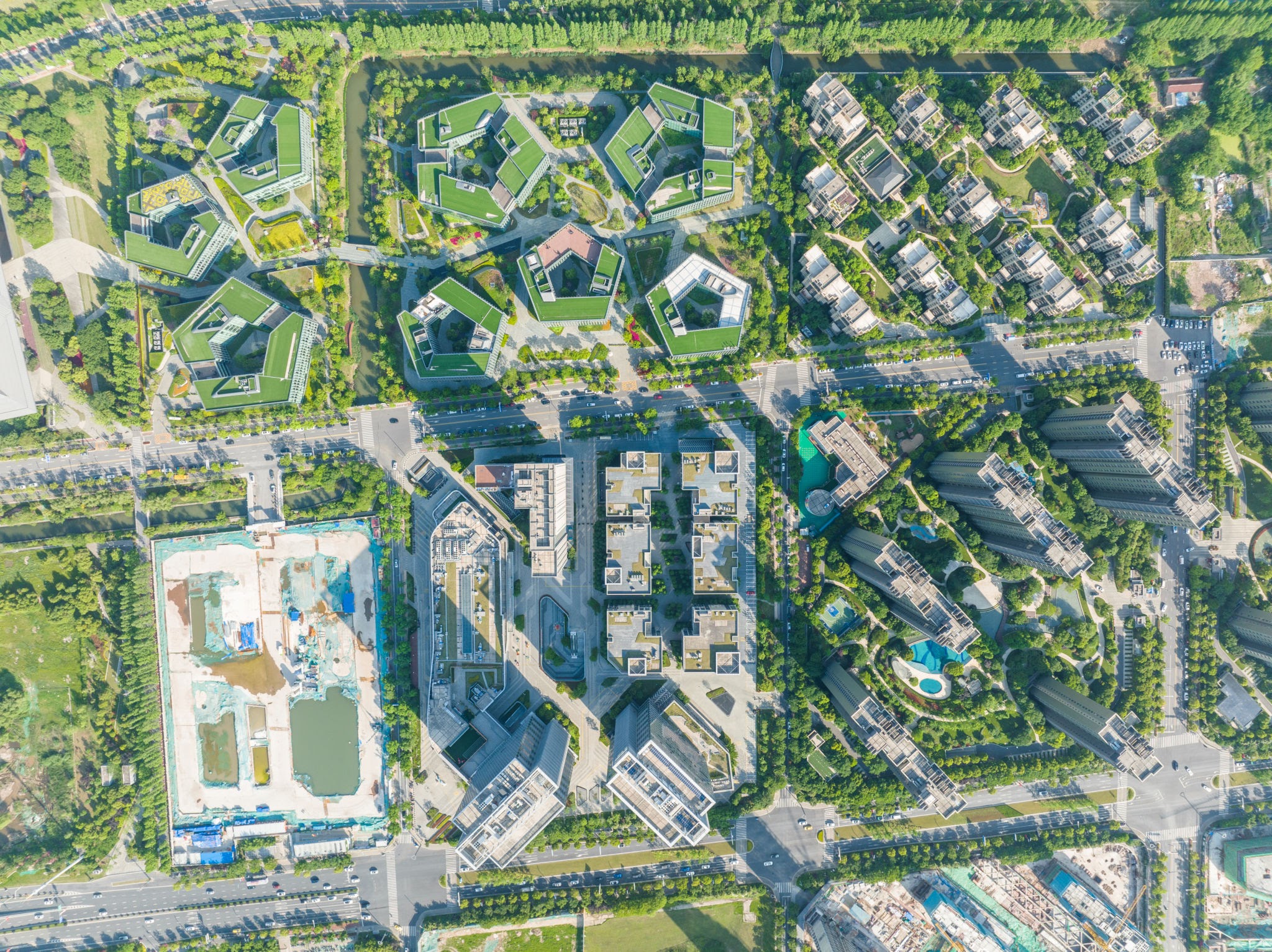
When studying how modern architecture intersects with environmental conservation, looking at static diagrams in textbooks only goes so far. Real-world applications offer the best insights into how communities can grow without destroying the local ecosystem. To understand how developers balance housing requirements with resource conservation, students should analyze projects that map infrastructure directly around the land's natural contours. A great example to study is the layout design at Sattva Aangane. Their blueprint shows how residential clusters can be integrated alongside organic farming zones and natural water topography, offering a practical case study in low-impact land management. |