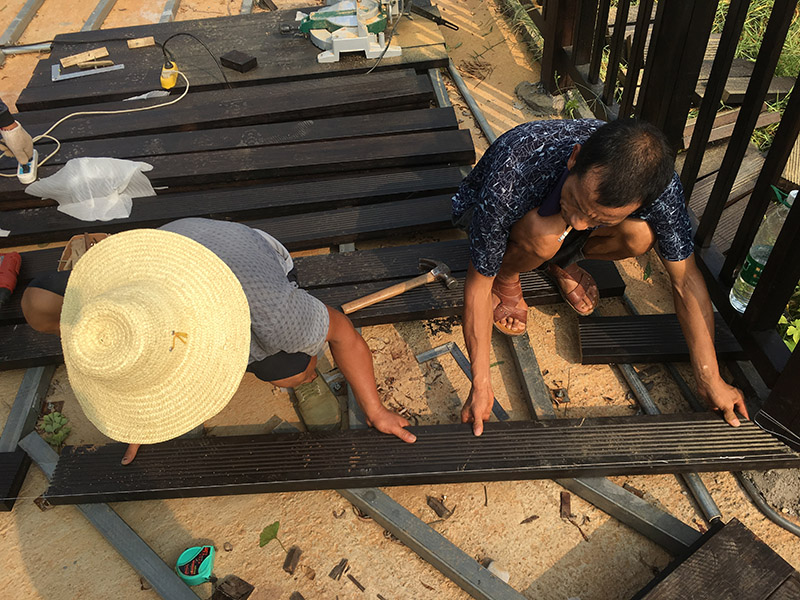
bamboo decking
|
|
Choosing the right material for an outdoor living space is a major decision for homeowners, architects, and builders. A deck serves as an extension of the home, a place for gathering, relaxing, and enjoying the outdoors. For decades, traditional pressure-treated wood and exotic hardwoods dominated the market. However, modern construction priorities have shifted toward sustainability, durability, and low maintenance. This shift has brought two prominent contenders to the forefront: outdoor bamboo decking and composite decking. Both materials offer distinct advantages over traditional timber, yet they are engineered in entirely different ways. Bamboo is a natural, rapidly renewable grass that undergoes intensive thermal and mechanical processing to become a dense structural plank. Composite material is a synthetic blend typically composed of recycled wood flour and plastics. Evaluating these options across critical categories like cost, appearance, and lifespan is essential for selecting the material that aligns best with the specific requirements of a project. Production and Material CompositionUnderstanding how each product is manufactured helps explain its long-term performance and physical characteristics. The structural differences between a natural plant fiber and a factory-blended synthetic compound dictate how each material responds to weathering, physical impacts, and the passage of time. The Engineering of Outdoor BambooTo create a material capable of withstand extreme outdoor elements, raw bamboo must undergo a significant manufacturing evolution. Standard bamboo stalks, while incredibly strong, are naturally hollow and susceptible to moisture damage if left unprotected outdoors. The process for creating high-performance outdoor bamboo decking involves crushing mature bamboo stalks into long, fibrous strands. These fibers are then subjected to a specialized thermal treatment known as carbonization or pyrolytic alteration. Heating the fibers to extreme temperatures changes the chemical structure of the plant, removing the natural sugars and starches that would otherwise attract insects and fungi. Following this heat treatment, the carbonized fibers are mixed with specialized exterior-grade resins and compressed under immense pressure. The result is a high-density, strand-woven plank that is actually denser and harder than premium tropical hardwoods like Ipe or Teak. The Formulation of Composite BoardsComposite decking takes a completely industrial approach to outdoor flooring. The boards are manufactured using a blend of wood waste, such as sawdust and wood chips, combined with recycled or virgin plastics, including polyethylene or polyvinyl chloride. These ingredients are mixed with chemical additives, color pigments, and UV stabilizers before being heated and extruded into the shape of a decking plank. Modern composite options are generally capped, meaning the core wood-plastic blend is encased in a tough, fully synthetic protective outer layer. This capping helps seal the internal wood fibers away from environmental moisture, preventing the rot and decay that plagued early generations of uncapped composite products. Aesthetic Properties and Visual AppealThe visual impact of a deck sets the tone for an entire backyard or outdoor commercial venue. Homeowners and designers often prioritize the look and feel of the surface, looking for a material that complements the architectural style of the surrounding property. The Natural Warmth of BambooOutdoor bamboo planks offer an authentic, high-end hardwood aesthetic. Because the material consists of genuine plant fibers, no two boards are identical. The surface showcases organic variation in grain patterns, subtle mineral streaks, and natural color shifts that mimic the depth and character of exotic timber. When first installed, bamboo usually features a rich, deep brown or warm amber tone, depending on the intensity of the thermal treatment. Over time, when exposed to direct sunlight and rain, untreated bamboo will gradually undergo a natural weathering process, mellowing into a silver-grey patina. For those who prefer the original rich color, the planks can be treated periodically with a UV-protective outdoor oil, allowing the deck to retain its deep tones indefinitely. The texture underfoot is solid, warm, and distinctly natural, carrying the authentic density of seasoned wood. The Uniformity of Composite OptionsComposite decking provides a highly consistent, predictable appearance. Because the boards are extruded in a factory, the color, texture, and dimensions are uniform from plank to plank. Manufacturers offer a broad spectrum of colors, ranging from classic earth tones like brown and grey to vibrant modern shades. To mimic the look of real timber, many composite lines feature embossed wood grain patterns stamped into the synthetic cap layer. Higher-end composite collections incorporate multi-tonal streaking to break up the flat color and create a more convincing imitation of natural wood. Unlike bamboo, composite material does not weather to a silver-grey tone. It retains its manufactured color throughout its lifespan, experiencing only minor fading within the first few months of sun exposure. However, because the outer layer is plastic, composite surfaces can sometimes look and feel somewhat synthetic underfoot, and they tend to retain more heat under direct summer sunlight than natural fiber alternatives. Evaluating the Financial InvestmentThe total cost of an outdoor deck involves more than just the initial price tag of the material. A comprehensive financial comparison must include the upfront purchase price, the cost of specialized fasteners, installation labor complexity, and the long-term maintenance expenses required over the decades. Initial Material and Installation CostsOn an upfront basis, high-density outdoor bamboo sits comfortably in the premium category, often pricing similarly to mid-to-high-tier capped composite systems and top-grade tropical hardwoods. The density of bamboo makes the boards heavy and tough, requiring sharp carbide-tipped saw blades for cutting and pre-drilling for any face-screwing applications. Most modern bamboo installations utilize hidden fastening clips that slide into pre-grooved edges along the sides of the planks, which speeds up the installation process and leaves a clean surface free of visible screw heads. Composite options span a much wider price spectrum. Basic, uncapped, or low-tier composite boards can be quite economical, making them attractive for budget-conscious projects. However, premium capped composites featuring realistic textures, multi-tonal colors, and hidden fastening profiles can exceed the cost of bamboo. Standard composite boards are generally easier to cut and manipulate than high-density bamboo, though they often require closer joist spacing in the framing structure because the plastic blend is more flexible and prone to sagging under load than rigid bamboo fibers. Long-Term Maintenance ExpensesThe financial equation shifts when looking at long-term ownership costs. Composite decking is famous for its low maintenance requirements. It never needs sanding, staining, painting, or oiling. The primary ongoing cost involves periodic washing with soap and water to remove dirt, mold spores, or pollen that can accumulate on the surface. Bamboo requires a bit more active participation to maintain its initial look. If the owner wants to preserve the original rich brown color, the deck must be cleaned and coated with a penetrative exterior oil once every year or two, depending on sun exposure. While this maintenance requires a commitment of time or labor costs, it provides a distinct financial advantage: the ability to renew the surface. If a bamboo deck gets scratched, stained, or scuffed over years of heavy use, it can be sanded down and refinished just like traditional hardwood, extending its value. Synthetic composite decks cannot be sanded or refinished; if the plastic cap becomes deeply scratched, stained, or melted by a dropped charcoal ember, the individual board must be cut out and replaced entirely. Lifespan, Durability, and Environmental ResilienceAn outdoor deck must endure harsh weather changes, from freezing winters to scorching summer heat, while resisting structural damage from moisture, pests, and daily foot traffic. |