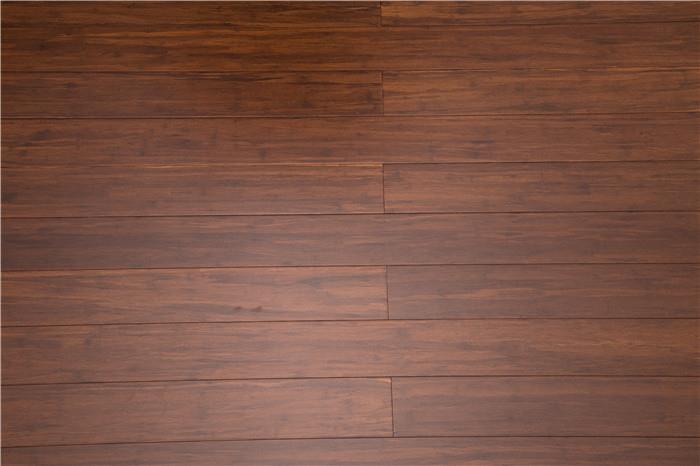
bamboo flooring
|
Are Local Bamboo Decking Supplies More Reliable Than Big Box Stores? |
|
: When planning a high-end residential outdoor build or a large-scale commercial exterior project, material procurement is one of the most critical decisions a contractor or homeowner faces. Choosing the right material determines the aesthetic success, structural integrity, and total maintenance overhead of the outdoor space for decades. High-density thermally modified bamboo has earned a major market share among custom builders due to its extreme Janka hardness, rot resistance, Class A fire rating, and sustainable environmental credentials. However, once the decision to specify bamboo is made, a practical supply chain question arises: where should you source the physical boards? Homeowners and general contractors often weigh the convenience of massive national big box home improvement centers against regional specialty lumber yards like Timber Town. On the surface, big box retail chains promise competitive pricing and vast consumer distribution networks. Yet when procuring high-performance, technical building materials like high-density exterior bamboo decking, relying on retail generalists frequently leads to product quality inconsistencies, improper handling damage, limited accessory availability, and costly job-site delays. Examining the differences in supply chain controls, product specifications, contractor support, and overall material reliability reveals why local specialty suppliers remain the superior procurement channel. The Hidden Complexity of Thermally Modified Exterior BambooTo understand why sourcing location matters, it helps to realize that exterior bamboo is not a standard commodity product like dimension pine or basic drywall. Manufacturing commercial-grade exterior planks requires advanced industrial engineering. Raw Moso bamboo culms are harvested at peak maturity between five and seven years of age. The stalks are split into strands and subjected to extreme thermal modification, exposing the fibers to high-pressure steam exceeding two hundred degrees Celsius. This heat treatment caramelizes internal sugars, eliminating the nutrients that feed rot fungi and insects. The strands are then saturated in high-grade thermosetting resins and compressed under thousands of tons of hydraulic pressure to form solid, dense boards. Because engineered bamboo is a high-density, technical product, every step of its transportation, storage, and handling requires specialized care:
Evaluating how generalist retailers handle these technical requirements compared to local lumber specialists highlights stark operational differences. Big Box Retail Chains: The Risks of Sourcing Technical Materials from GeneralistsNational big box retail chains excel at high-volume consumer distribution for household goods, hand tools, and standard framing lumber. However, their operational model relies on rapid inventory turnover, standardized pallet movement, and non-specialized retail labor. Sourcing specialized exterior bamboo from big box stores presents several distinct vulnerabilities for builders. Inconsistent Material Sourcing and Private Label VariationsBig box retailers frequently buy building products from multiple low-bid suppliers to maintain low shelf prices. A single retail chain may change its manufacturing partners from quarter to quarter while selling products under the same generic store brand name. For a builder, this creates a serious consistency risk. Planks purchased in spring may feature slightly different density levels, clip groove dimensions, thermal modification depths, or color tones than planks ordered three months later to expand the same deck. Combining mismatched production runs results in uneven surface wear, visual color bands, and hidden clip fitting issues during installation. Improper Warehouse Handling and Weather ExposureBig box home centers move vast quantities of heavy inventory daily using outdoor yard storage and high-speed forklift operators. High-performance bamboo bundles are frequently stored outdoors under non-breathable plastic tarps or placed directly in open yard bays exposed to rain, snow, and cycling ground humidity. When bundles absorb ambient ground moisture or sit under trapped condensation, individual boards near the edges can experience uneven acclimation. Installing boards with uneven moisture profiles causes post-installation stress, leading to unexpected surface checking or joint binding once the deck is exposed to full sun. Lack of Specialized Technical KnowledgeRetail sales associates in broad-line home centers are responsible for hundreds of different product categories, ranging from plumbing fixtures to outdoor power equipment. They rarely possess deep technical expertise regarding Janka hardness ratings, thermal modification depth, proper sub-frame joist spacing, or micro-gap expansion requirements for exterior bamboo. When contractors face unique architectural challenges—such as designing a flush-threshold entry, setting up hidden clip layouts over steel joists, or specifying anti-slip profiles around commercial swimming pools—retail clerks simply cannot provide tailored technical guidance. Limited Access to Matching Fasteners and Maintenance AccessoriesAn exterior bamboo floor system requires more than just the main planks. It requires specialized stainless steel hidden clips, color-matched face screws for perimeter picture-framing, brush-on end-grain sealer for field cuts, and penetrating care oils formulated for low-porosity strand-woven fibers. Big box stores rarely carry complete accessory eco-systems for specialized decking lines. Contractors are often forced to buy planks from the retail store and then spend hours hunting online for compatible hidden clips or end-sealers, leading to project delays and additional shipping costs. Local specialty lumber yards and dedicated building supply distributors operate under a completely different business philosophy. By focusing exclusively on professional contractors, architects, and discerning homeowners, specialty suppliers deliver level of reliability, product quality control, and ongoing support that big box stores cannot match. Direct Factory Relationships and Proven Quality AssuranceSpecialty distributors like Timber Town build direct, long-term relationships with top-tier bamboo manufacturing facilities. They source directly from established factories that enforce strict quality control standards, consistent thermal modification profiles, and precise tongue-and-groove milling tolerances. Because specialty suppliers source entire production runs directly from single-origin factories, contractors receive uniform, color-matched, and dimensionally stable materials across their entire project volume. Every bundle delivered to the job site meets the exact same structural density and performance specs. Proper Sheltered Storage and Material HandlingSpecialty lumber yards understand the value of high-end wood and composite products. They store inventory in dedicated, covered, multi-tier racking systems protected from direct rain, snow, and ground moisture. Yard personnel are trained in handling heavy, high-density wood products using soft-strap lifts and padded forklift attachments. Planks arrive at the job site with pristine factory edges, intact tongue-and-groove joints, and undamaged pre-finished surfaces, eliminating material waste and prep work for the installation crew. Complete System Sourcing under One RoofWhen a contractor orders exterior bamboo from a local specialist, they receive a complete engineered system. Specialty yards stock the full eco-system of required installation accessories alongside the main deck planks:
Having the complete material system delivered in a single, coordinated shipment keeps the job site running efficiently without unexpected downtime. |