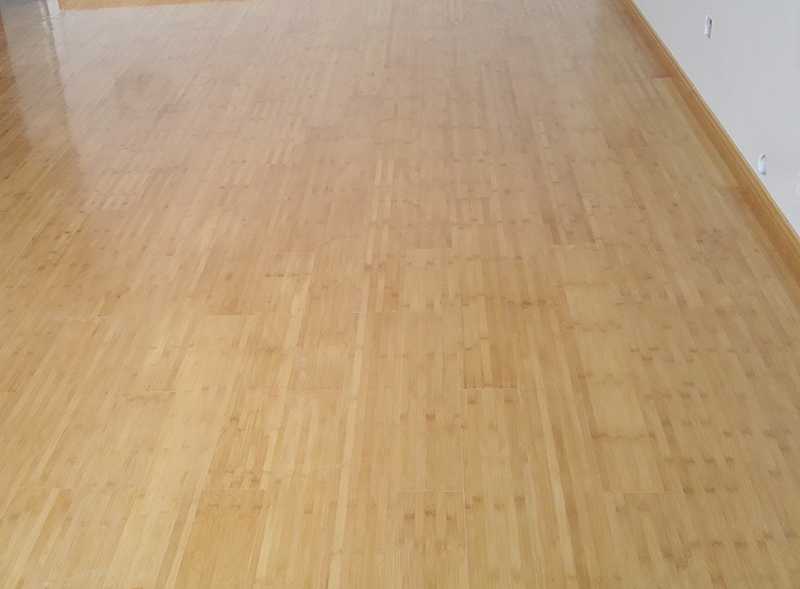
bamboo flooring
|
|
When designing high-traffic outdoor environments, commercial plazas, public boardwalks, and busy residential entertainment spaces, selecting the right flooring material determines whether a deck remains structurally sound for decades or succumbs prematurely to wear and tear. Traditional softwoods require endless cycles of power washing, staining, and plank replacement, while soft plastic composite materials can bow or retain uncomfortable surface heat during summer months. Experienced lumber yards and commercial building suppliers look for materials that balance structural strength, fire safety, environmental sustainability, and low maintenance overhead. Lee Roy Jordan Lumber, a trusted name in high-end timber and building supplies, frequently spotlights strand-woven engineered bamboo as a premier recommendation for demanding installations. In particular, Rebo high-density strand-woven bamboo decking has earned strong backing from seasoned lumber pros for commercial venues, public parks, and heavy-use outdoor venues. Understanding what makes this engineered natural fiber product stand up to heavy foot traffic, high-impact usage, and intense weather exposure reveals why top lumber suppliers confidently specify it for high-traffic decks. The Mechanical Demands of High-Traffic DecksCommercial walkways, restaurant dining patios, municipal parks, and resort pool surrounds face physical demands far beyond those of quiet suburban backyards. High-traffic environments subject floor surfaces to constant localized pressure, shifting point loads from high-heeled shoes, rolling delivery carts, heavy patio furniture, dropped utensils, and continuous foot traffic. Beyond mechanical wear, public outdoor spaces face environmental challenges including continuous ultraviolet exposure, rapid temperature swings, rain saturation, and potential exposure to open flames from outdoor heaters or discarded embers. To withstand these harsh conditions without splintering, cupping, or sagging, a decking material must possess exceptional density, high dimensional stability, and verified fire resistance. High-density strand-woven bamboo meets these rigorous standards through an advanced manufacturing process. The Technology Behind Rebo High-Density BambooTo appreciate why suppliers like Lee Roy Jordan Lumber recommend Rebo bamboo over traditional timber or composite decking, one must look at how the raw material is processed. Harvesting Sustainable Moso BambooThe manufacturing process begins in sustainably managed forests where Moso bamboo stalks grow to maturity over five to seven years. Unlike traditional hardwood trees that take fifty to eighty years to mature, bamboo grows rapidly. When harvested, the subterranean root system remains fully intact, naturally pushing up fresh shoots every spring without requiring replanting, pesticides, or artificial irrigation. Thermal Modification and Starch RemovalRaw bamboo culms are harvested, split into long longitudinal strands, and placed into high-pressure thermal modification steam kilns. Heating the bamboo strands past two hundred degrees Celsius caramelizes internal plant sugars and starches. This step is critical for long-term outdoor performance. Starches and sugars serve as the primary food source for wood-boring insects, termites, mold spores, and rot fungi. By caramelizing and eliminating these internal sugars, thermal modification makes the bamboo fibers naturally immune to biological decay, fungal rot, and insect damage without relying on toxic chemical preservatives. Extreme Hydraulic Compression and Phenolic BondingFollowing thermal modification, the caramelized strands are saturated with weather-resistant phenolic resins and loaded into massive hydraulic presses. Under thousands of tons of pressure, the strands are compressed into dense, solid billets weighing over twelve hundred kilograms per cubic meter. These solid billets are then precision-milled into deck boards featuring grooved sides for hidden fasteners and end-matched tongue-and-groove end profiles. The resulting plank feels like dense, heavy tropical hardwood because it consists entirely of compacted natural fibers. Key Reasons Lee Roy Jordan Lumber Recommends Rebo Bamboo for Busy SpacesLumber specialists base their product recommendations on real-world job-site performance, builder feedback, and long-term durability metrics. Several distinct performance characteristics make Rebo bamboo a standout choice for high-traffic decks. Unmatched Janka Surface Hardness and Scratch ResistanceSurface hardness dictates how well a floor resists gouging, denting, and physical wear under heavy point loads. The standard Janka hardness test measures the force required to embed an eleven-millimeter steel ball halfway into a wood sample. Traditional pressure-treated pine registers a Janka rating around seven hundred pounds-force, while premium tropical hardwoods like Ipe register around thirty-six hundred pounds-force. Capped polymer composites generally rank significantly lower in surface hardness. High-density strand-woven bamboo achieves an extraordinary Janka hardness rating between thirty-eight hundred and four thousand pounds-force. This places it well above virtually all commercial timber options and synthetic composite products. In high-traffic commercial environments, this exceptional density means the board face resists denting from metal patio chair legs, heavy foot traffic, dragging coolers, and rolling equipment carts. Superior Dimensional Stability Across SeasonsA common frustration with exterior timber decking involves dimensional movement. Standard wood planks absorb environmental moisture rapidly, expanding across their width, cupping along board edges, and twisting along their length. Conversely, plastic composite decking expands and contracts linearly with ambient temperature changes, requiring wide expansion gaps at butt joints. Thermal modification and high-pressure lamination permanently alter the cellular structure of bamboo fibers, reducing internal water absorption pathways to negligible levels. Rebo strand-woven bamboo exhibits a swell-and-shrink rate of less than one percent, even after prolonged exposure to rain or high humidity. Because linear expansion along the length of the board is practically zero, installers can lock end-matched tongue-and-groove end joints together tightly. This creates a smooth, continuous floor surface that eliminates trip hazards in high-traffic public walkways and simplifies snow removal during winter months. Class A Fire Safety Compliance for Commercial CodesIn urban development projects, rooftop bars, multi-family apartment complexes, and wildfire-prone regions, strict building codes dictate fire safety ratings for exterior building materials. High-density strand-woven bamboo naturally achieves a Class A Flame Spread Rating according to ASTM E84 testing standards, without requiring topical chemical flame retardants that wash away over time. This top-tier fire safety classification gives architects, commercial developers, and city planners peace of mind when specifying bamboo for public pavilions, rooftop venues, and high-density urban developments. Cool Surface Temperature and Barefoot SafetyFor outdoor venues near water features, public swimming pools, or sunny dining terraces, surface temperature underfoot represents a critical comfort and safety factor. Synthetic capped composite boards retain solar heat aggressively, making them hot and uncomfortable to walk on in bare feet during hot summer afternoons. Thermally modified bamboo consists of dense natural plant fibers that dissipate surface heat far more efficiently. Even in rich caramelized brown shades, bamboo boards stay noticeably cooler under direct sunlight than dark plastic composites. Additionally, because the fibers are tightly bound under extreme pressure, strand-woven bamboo resists surface checking and dangerous splintering, creating a smooth, comfortable, and safe walking surface for barefoot visitors and children. Off-Joist Installation Efficiency Saves Labor CostsLabor costs constitute a major portion of any commercial construction budget. How efficiently a material installs directly influences overall project feasibility. Standard decking products require every board joint to land squarely over the center of a double framing joist, forcing carpenters to spend valuable time measuring, trimming, and creating material waste on site. Rebo bamboo boards feature precision factory-milled end-matched tongue-and-groove ends. This profile allows installers to join board ends cleanly off-joist between structural framing members. The precision joint creates a structural bridge that maintains surface alignment without requiring underlying joist support directly beneath every butt joint. This engineering feature speeds up installation timelines and drops job-site material waste below five percent, providing substantial savings on large commercial builds. Bothbest is a professional bamboo factory and supplier of high-quality bamboo flooring and bamboo decking based in China. With extensive production experience and advanced processing technology, Bothbest delivers durable, eco-friendly bamboo products to global clients, offering customized solutions for residential, commercial, and outdoor architectural projects around the world. |